Hot Standby Nodes: The Secret to Seamless Performance and Recovery

A hot standby node belongs to a clique of nodes and does not host virtual processes such as AMPs or Parsing Engines.
The standby node remains idle until a member of its clique crashes or fails. At this point, the standby node is activated to take over the failed node's responsibilities.
The AMPs from the node that crashed are swiftly migrated to the hot standby node, resulting in negligible performance loss.
Want more practical data engineering analysis like this?
Join DWHPro Letters and get field-tested notes on Teradata, Snowflake, AI, migrations, performance, and enterprise data work. DWHPro Letters is free. Subscribe to get new issues by email.
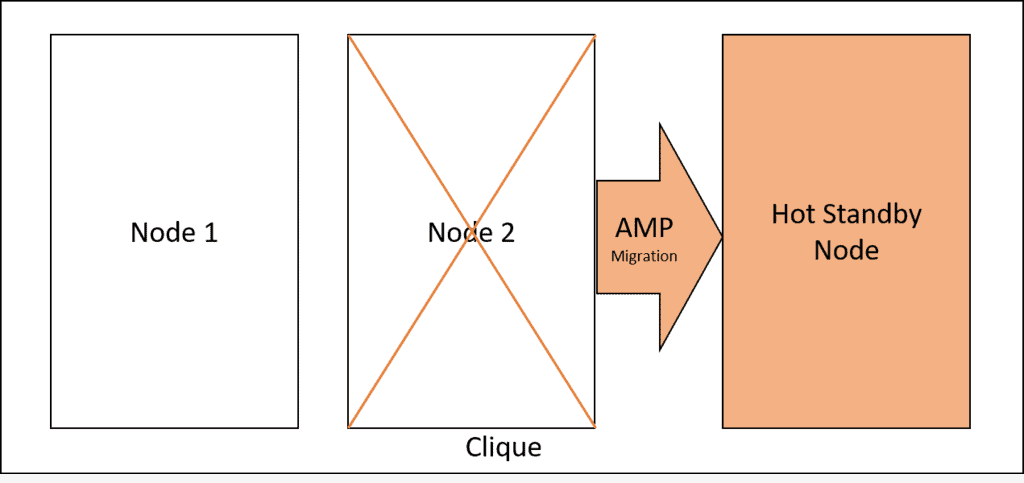
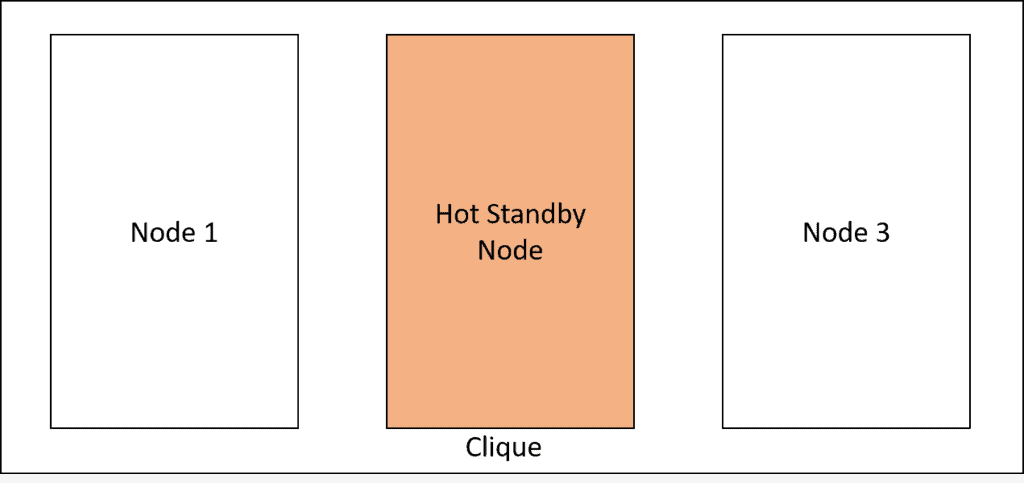
The intelligence of the design lies in the fact that once the failed node goes back online, it automatically takes over as the active standby node.
Planning or surviving an enterprise data platform migration?
I write regularly about the performance, cost, architecture, and project mistakes that show up in real Teradata, Snowflake, Databricks, and enterprise data work.
Subscribe for free and keep launch access.
Written by Roland Wenzlofsky, founder of DWHPro and author of Teradata Query Performance Tuning. DWHPro has helped data warehouse practitioners for 15+ years.